Glowing Eye GamesGlowing Eye Games
  • Games
  • Blog
  • Team
  • Contact
  • INFO
  • Games
  • Blog
  • Team
  • Contact
  • INFO
July 7, 2022
Producing at Glowing Eye Games

I started at Glowing Eye Games six years ago, starting as a greenhorn intern and climbing the ranks to producer. It’s been an absolute pleasure discovering the wonderful world of producing with Glowing Eye Games. My career and experience have very much been shaped by my lovely colleagues, a variety of interesting projects, and trial with the inevitable error.

Producing

I’m often asked by family and friends what exactly it is I do. They’re aware of my job title and that I work with mobile games, but what does that entail? It’s difficult to sum producing up in a single sentence, but I also don’t want to bore them to death by delving into the niggling avenues of game development. I’ll try to keep it brief here as well, lest your eyes roll back as you fall into a blissful, boredom induced coma.

I quite often think of producing as keeping hold of the big picture. While everyone else on the team is busying themselves creating beautiful art, perfecting that gameplay, and finding those pesky bugs, you must make sure that everything created is helping form the envisioned final game. This means lots of meetings, reviews, and a lot of playtesting. There’s a great satisfaction watching all these individual departments come together to create a fantastic end product that’s the culmination of everyone’s hard work.

Lessons Learned

I have very much learned on the job. I came into Glowing Eye Games as a bookseller, with absolutely no knowledge of game development except a great interest in video games. My gateway was marketing, managing social media, writing copy for the games and website, and helping create the marketing material. This is still very much part of my job, but I now have the luxury of delegation. Glowing Eye Games really encouraged my career growth, letting me find my path by giving me both marketing and production tasks, and supporting me when I ultimately decided production was my preferred track. Thinking back through the years I have tried to boil down six years of experience into three important points.

Be Flexible

Being flexible is incredibly important in a small company as you often step in and fill in gaps in moments of slack. While I’m first and foremost a producer, I also find myself doing many of the marketing tasks from my intern days or if there’s a QA backlog and someone needs to do some LQAs then I’m happy to pick that up. This can make work quite fractured at times but becoming a jack of all trades is never a bad thing. My organisational skills are now top notch and being able to use the full Adobe Creative Suite is a huge bonus. Pick up those extra tasks you may not feel comfortable with; you don’t have to be an expert for all jobs, and it never hurts to add more skills to your arsenal, especially as a producer which has you working with all different departments.

Being flexible also helps when working with your team. It quickly became apparent that different people prefer different management styles. Some prefer to be given a task list with check ins when needed and others prefer to brainstorm and discuss before the ultimate review. All are valid and as a producer it’s your job to make everyone else’s job easier, so adapting to their work style is invaluable.

Communication

Good communication is always in job descriptions as one of the core soft skills desired, but it rings especially true for producing. I said earlier that being a producer is all about keeping the big picture in mind, and to do that you need great communication. I would be lying if I said I was on the ball all the time, but I always have the best intentions. This means meetings, emails, instant messages, and screen shares that make sure you’re all on the same page and that things are heading in the right direction. This can be off putting, but it’s all about balance. For example, you don’t have to have an hour meeting every time. A ten minute text meeting might be all you need, or sometimes an email will suffice. This goes back to the be flexible point; you don’t need to do things by the book if there’s another solution that better suits the situation. Just always make sure to take notes. They will be invaluable when you need to follow things up and figure out the status of a project.

Good communication also means accepting responsibilities when things don’t go to plan. As soon as you realise things aren’t going right, talk to your teammates and get it fixed as soon as possible. Things will inevitably go wrong, and the sooner you get on top of things, the sooner you can right the course. It always feels horrible to be the bearer of bad news, but it also shows that you’re able to work under pressure and own up to mistakes.

You are a team

The wonderful thing about game creation is that the game wouldn’t exist without everyone in the team pulling their weight, and that’s very important to remember. Everyone is playing their part so it’s vital that no one charges ahead to take credit but make sure to acknowledge individuals’ hard work as well. Credit where credit is due always.

Listen to your teammates and they will listen to you in turn. Their expertise is extremely important, and you are the point of control herding everyone in the right direction. Work together and not against each other, and always be ready to step in to help or boost your teammates up. Everyone needs support sometimes.

There’s more to it

The art of producing is ever changing and growing, especially with new styles of project management coming through all the time. It’s hard to sum up the job in a single blog post but I feel like these three points are important aspects. I think it all comes down to respecting and listening to your colleagues. All people are different and it’s important to remember that. As a producer you are captain of the ship while every specialist on the team is doing their part. Keep an eye on the end product and keep pushing forward, but always be respectful and kind.


June 17, 2022
Great Post-Mortems for Indie Developers

If a developer isn’t learning how to make better games, then they’ll always end up in trouble! While you’re not progressing others are, and the competition for the hearts, minds and wallets of players is intense. Games made by big teams get quite a few post-mortems, but I wanted to focus on a few games made by small teams with five or less people. Here are five great game dev post-mortems that every indie developer can benefit from.

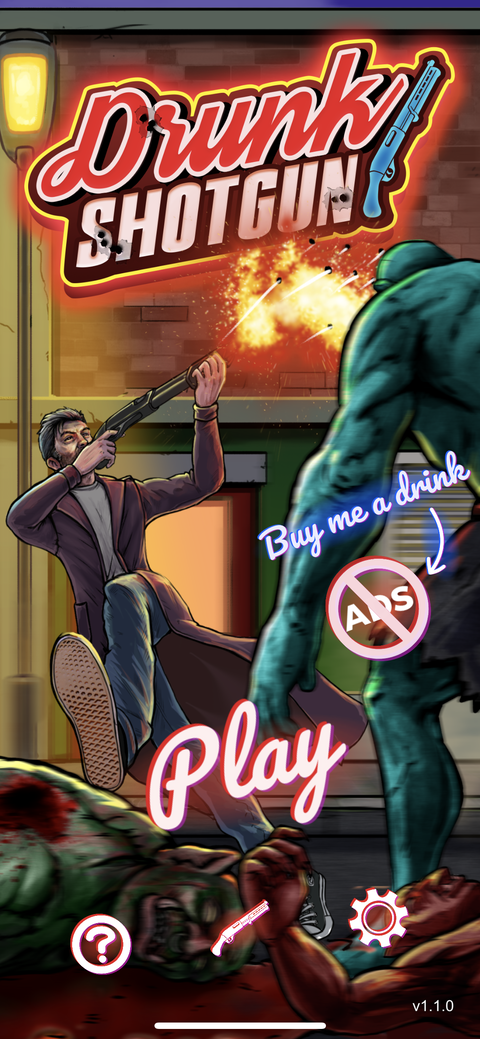
Drunk Shotgun by Alexey Strelkov

https://www.gamedeveloper.com/business/how-i-wasted-4k-and-half-a-year-of-my-life-to-develop-a-game-that-earned-only-30

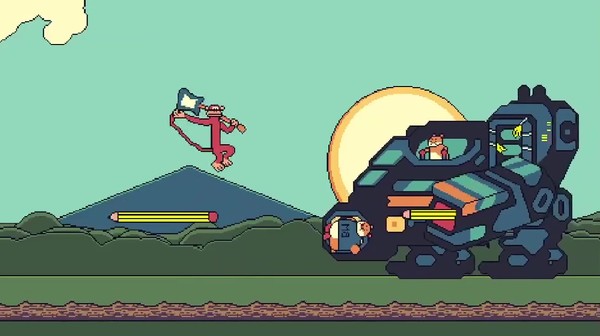
With Drunk Shotgun the developer created a fun casual overhead shooter for mobile. Having played it, it feels like it’s almost there as a regular five-minute timewaster, but in Alexey Strelkov’s own assessment, there were several mistakes that he spotted. The perennial indie problem of marketing was of course there. Personally, I swear that marketing is the hardest job for an indie! However other identified issues included monetization, the difficulty curve and play testing. A useful read and a worthy example of showing how easy it is to lose money as an indie gamedev. It’s also a fun, free game that I still haven’t beaten!

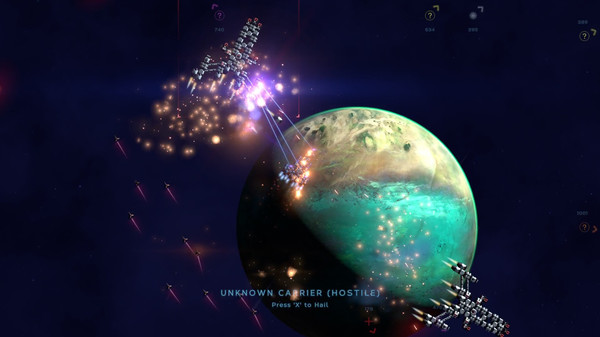
Starcom Nexus by Kevin Lin

https://www.gamedeveloper.com/disciplines/starcom-nexus-postmortem-an-indie-dev-journey 

The story of Starcom Nexus has a much better outcome than Drunk Shotgun. Kevin showed us, that a Steam game starting out as an Early Access game (that was pretty good on first release) and then graduating to a full release is likely to receive a sales bounce on that second release! That’s incredibly helpful to know!

What’s fantastic is although the post-mortem is around two years old, it’s pretty obvious looking at this action RPG that he continued to build upon his earlier, smaller success and grew the game. It looks like a solid win for him.

Bass Money by Jacob Weersing

https://www.gamedeveloper.com/blogs/bass-monkey-postmortem-from-zero-experience-to-solo-game-dev-in-18-months-without-quitting-your-day-job-

This is one man’s journey about making their very first (totally free) Steam game, and all credit to him, it offers so many thoughts for anyone who might want to try and live the indie dream. It covers so much ground and if you’ve never made a game then it is a definitive must read.

Game Development Tips and Tricks from the Creator of Civilization, Sid Meier

https://www.gamedeveloper.com/blogs/just-one-more-turn—game-development-tips-and-tricks-from-the-creator-of-civilization-sid-meier-

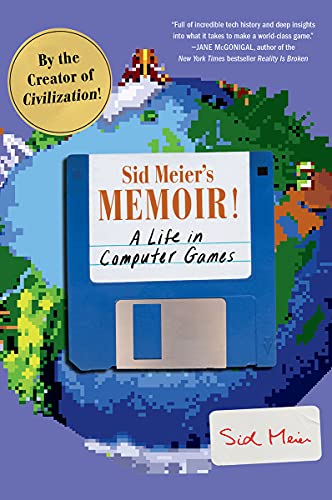
Well strictly speaking this isn’t a post-mortem, but it is advice from one of the best, most consistent game creators with experience garnered over several decades. Many of his games released in the nineties are still phenomenally playable today. If you’re looking for what creates enjoyment for your players, then this is the blog for you. Bonus points if you buy his memoir!

Core Defense by Mario Kaiser

https://www.gamedeveloper.com/business/case-study-making-core-defense-a-solo-dev-success-2

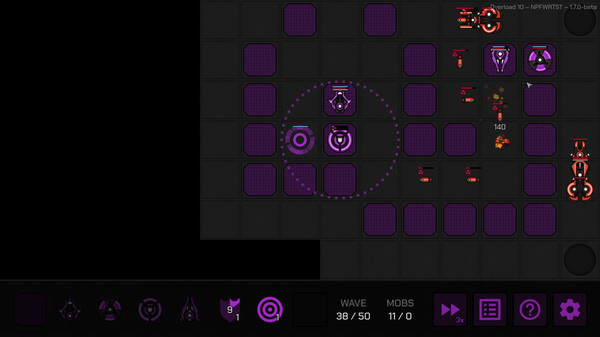
This post-mortem talks through the success that Core Defense became. In its first week it made over $20k and in its first year just over $70k. Those are solid numbers for a one-man team, and no doubt the long tail effect of having a well-regarded game will keep revenue trickling in for a long a time. The detail from the initial post and its follow up, will give a great understanding of what it takes to find this kind of success.

Summary

These are a good set of examples of indie gamedev post-mortems. They’re all worth reading individually, but there are common problems that we should consider before making a game.

Game Development

From the game development side, there are always challenges. Here are a few of the more common ones.

  • Finding The Fun – Creating a fun game that retains the player’s interest. We’ve released a few here that maybe we shouldn’t have if we’d spent more iterating and getting feedback.
  • Schedules – making a realistic schedule seems to be virtually impossible! Plans change (and hopefully improve), and too often unrealistic hope is used in the schedule diary.
  • Testing – Testing for fun and bugs are two different things. It’s far too easy to make large changes towards the end of development that lead to unexpected bugs. Too many bugs and the players will hate the game!
  • Game Balancing – After playing your own game during development it just gets too easy, so you make the game harder. Until it’s so hard a new player will drop it in frustration.
  • Unrealistic game size – You can spend forever on a game if you don’t go for a design you can actually finish.
  • The Artwork Pipeline – Making sure your artwork fits into your game properly and easily needs serious preparation.

Game Marketing and Business

Arguably the Marketing and Business side of making a game is even harder than the development. It’s easy to see why, because as an indie developer we’re just more likely to be focused on the development side. Marketing looks like an alien concept and frankly having suffered from this myself, it’s a vastly different discipline than development. Good marketing folks are smart, but they are smart in a way that the average game maker isn’t. Remember building and releasing it doesn’t mean that your player will ever find the game.

  • Advertising and PR – Most games simply need advertising. Finding the expertise and the budget for this is tricky with indie game development. If you’re lucky you can sidestep this problem by finding a publisher which, you guessed it, is also tough!
  • Monetisation – Will you sell the game, use in app purchases or advertising to earn your living? Decide at the beginning of development and tailor your design accordingly!

I want to sign off with one final thought that seems to apply to all the developers. If you aren’t doing post-mortems whether that’s just thinking about what’s happening with your games or making the bigger effort of writing it down then you are missing out. It’s tough to make a financially successful game, for us it’s about 20 to 25 percent, and nudging that number upwards can make the difference between making a living or not being able to do a job that you enjoy.


May 6, 2022
Small Developers Can Learn from the Square Enix IP Sale

Square Enix just announced the sale of everything related to Tomb Raider, Thief, Legacy of Kain and Deus Ex along with the studios that made them and a back catalogue of 50 titles. It’s a pretty huge change of direction for them and it got me thinking, when should smaller developers sell games or give up on some of their creations. We can’t all get the $300 million that Square Enix received but any sized developer or publisher that has been around for a while will have the same question.

Using examples from us, Glowing Eye Games – a plucky solitaire, dominoes, and casual game developer that has been around for 14 years – and supersized examples from Square Enix, maybe we can learn something here. While writing this, I was amazed that even on our tiny scale there are real comparisons even with the tenuous and somewhat ridiculous links to famous games. Also, it’s fun being an armchair pundit, and I loved some of these games.

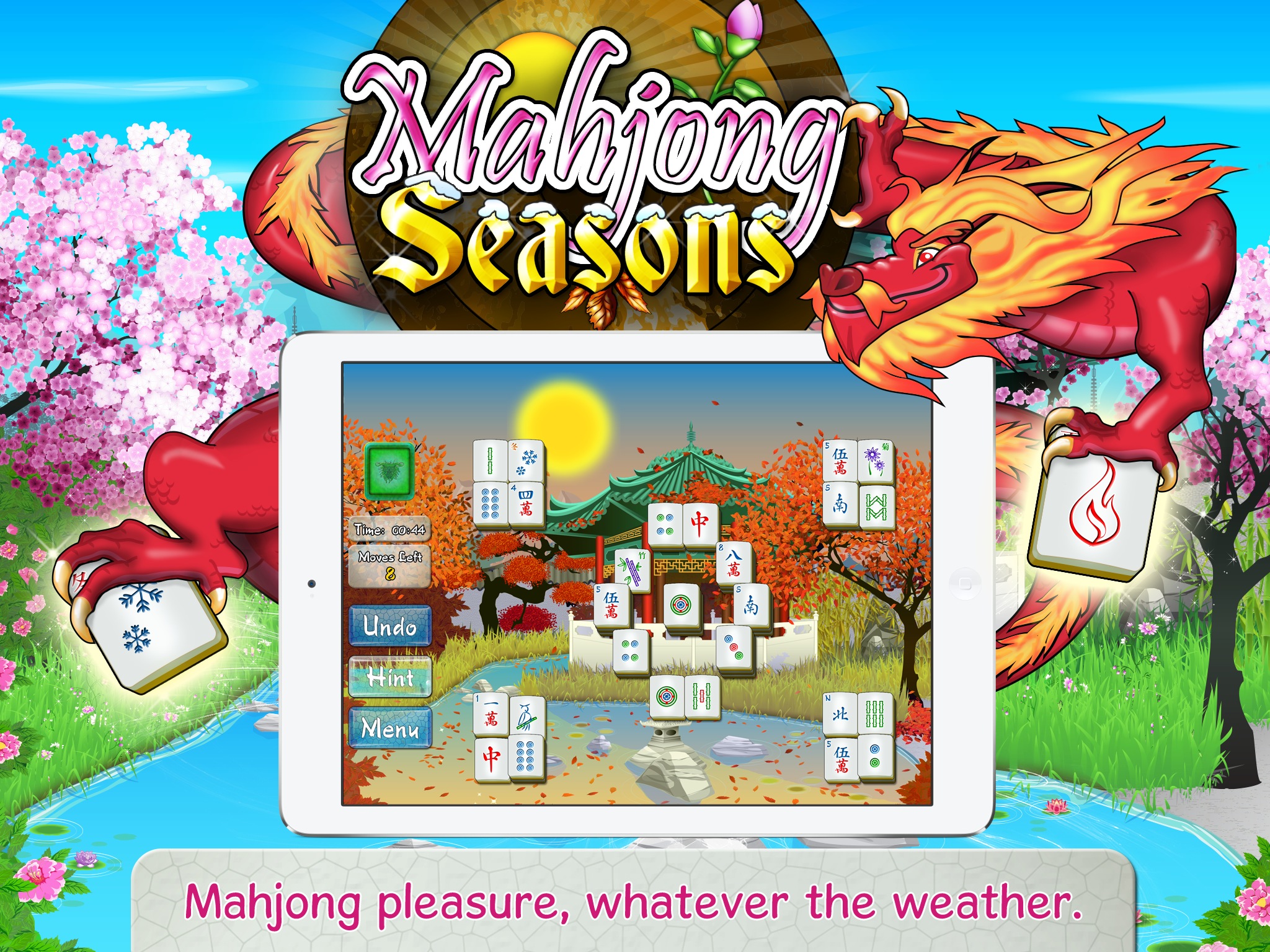
Let’s start with the easier games first. The ones that really lose money. We’ve talked about Mahjong Seasons in a previous blog post, our attempt to break into that kind of game many years ago. It never found the traction that we as a small company needed to make it financially worthwhile. Did I say that it was easy to ditch that game? Well, I was wrong.

As a small company we had an existential crisis, on our development scale we built some useful bits of technology and spent lots of effort and wages on honing the game. We believed we had a great combination of level designs and the artwork. It hurt us, that this game didn’t find an audience despite a large (for us!) advertising budget. Those tens of thousands of dollars are totally a valid comparison to millions that Eidos and Square Enix have spent on marketing. (No need to send us emails about the previous line!). We added new levels, and for a little while doubled down on the advertising, all to no avail. We asked ourselves why it failed, but frankly I don’t think we ever got an answer to that, other than the players didn’t prefer it over other Mahjong games. We had other ideas around Mahjong (mild reinventions and invigorating concepts) and never moved forward with them, maybe rightly so. I still wonder if new iterations with the knowledge we had earned would be something that players could enjoy and want? I’m not sure anyone would want to try updating Mahjong Seasons, and even after all these years we don’t want to either!

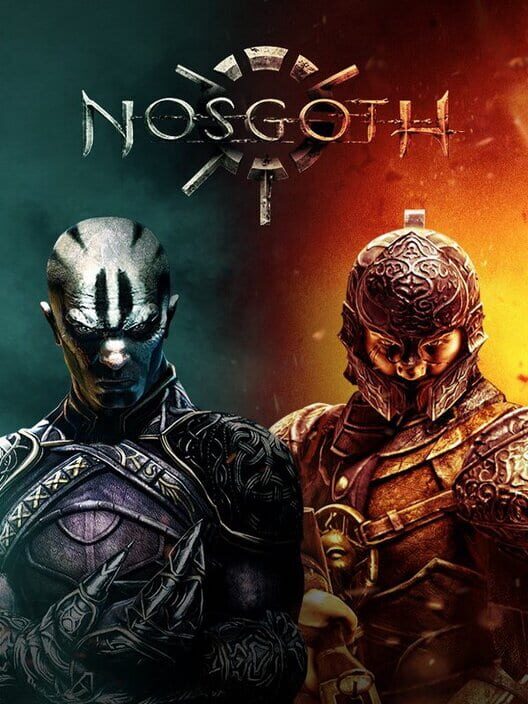
Using the collection of IPs from Square Enix, the Legacy of Kain is their supersized version of our Mahjong Seasons. This collection of dark fantasy, action-adventure games was started in 1996 on PlayStation. There were four more games released by Eidos before Square Enix bought them out. The last attempt was the multiplayer game Nosgoth. It entered an open beta in January 2015, but never got officially released with the servers shut down mid 2016. For those players moving from a single player adventure to this multiplayer world, it just didn’t work. Negative reviews kept on coming, and they decided to cut their losses. The developers and Square Enix painfully accepted that what they’d created simply hadn’t captured a broad audience, despite changes and tweaks in a year of the open beta. I have no doubt that the dev team would have been hurt just like us with Mahjong Seasons, but I can only imagine that to them and Square Enix the audience numbers were painfully obvious. It would take a brave new company to resurrect this franchise without a concrete plan about attracting fans old and new. For purposes of this discussion, the Legacy of Kain is the lowest valued part of this sale. It’s not the franchise that encouraged Embracer to buy this collection.

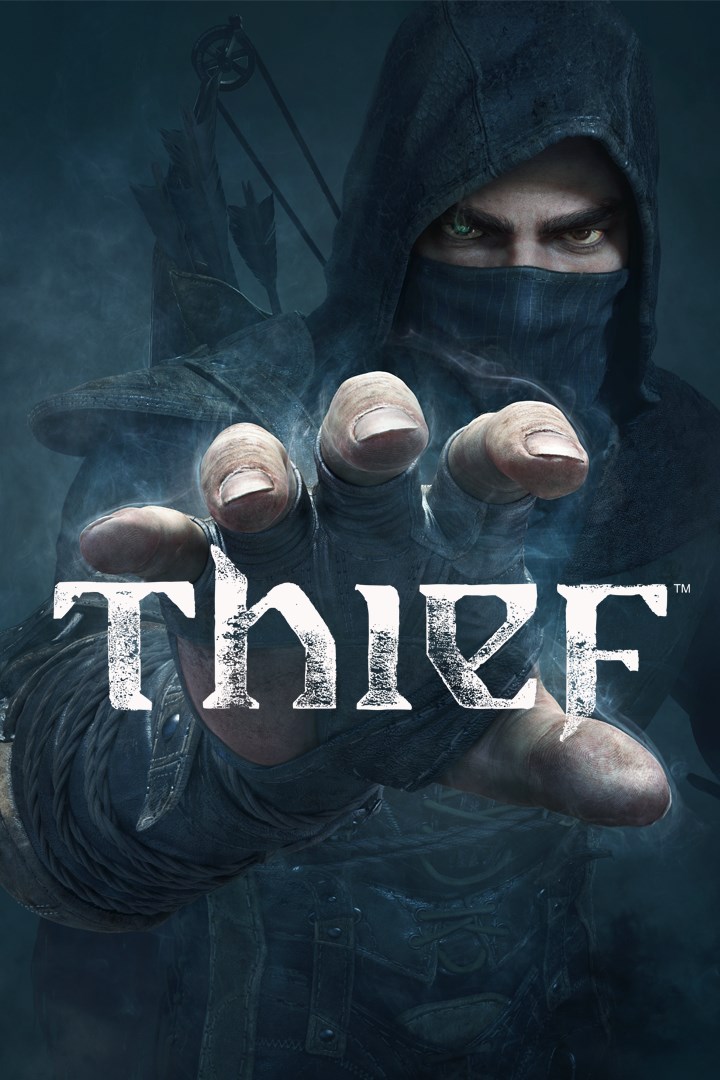
With the Thief games, we here don’t have an amazing equivalent that we can shoehorn into this delightfully preposterous comparison of $300 million dollars’ worth of franchise but damn it I’m gonna try! I loved Thief, and Thief 2. I never played the third one or the final one released by Eidos in 2014. That final one seemed to lose some of the essence though, it became linear, and the reviews were mixed at best. Thief never got a Square Enix reboot, and it’s understandable why. Every iteration of Thief, whether it got good reviews or mixed reviews, never seemed to get the sales that Eidos expected. So again, Embracer probably aren’t considering this as a major item as part of their $300 million.

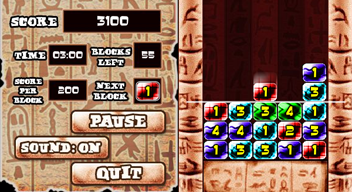
I’m going to go ahead and compare a little puzzle game to the Thief franchise as it’s my blog post and I’ve come too far to give up now. Brilliant Blocks was the name of a simple block dropping puzzle game that we initially made in Flash for online players in the mists of time, when mobile phones still had number keys instead of shiny, flat multi-touch screens. It was a time when Nokia still made phones and good money. It did well but not brilliantly (which is annoying given the game name). We got fan emails, we even sent a semi-official email to someone stating that he was the best Brilliant Blocks player in the world. A superb friend, saw how much his buddy liked the game, and contacted us so that we could tell him he was great. Let me be clear, his scores were good, damn good, so that accolade was well earned. I wish I still had that email and the artwork we created and sent. Must be great to have work mates like that.

Even though that first online version made decent (but remember not brilliant, sad face) money for us, the audience plateaued. We tried making another online sequel, it didn’t work out, but the original was still making money. Well, okay, it was just one of those things we thought, maybe next time. We tried rebooting it for mobile. Thank you Apple for the shiny touch screen and the marketing genius that changed all phones forever and ever and ever. That didn’t work either, so although we definitely had some lovely fans, enough to make a small profit on the franchise overall, we’ve been very reticent to bring it back. We started designing a similar game with a new name, but it didn’t get far before we thought we had better options. I’m not sure what needs to happen for us to try again, but this one hangs around in the background. I hope it get its chance to shine again, but maybe it’s like playing Sega’s Columns puzzle game today, it needs something that will make more people love it. I mean, oh yeah just like the Thief franchise, etc.

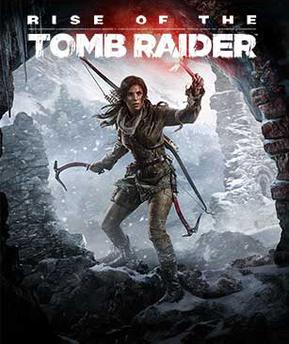
The real prizes are the Tomb Raider and Deux Ex characters and worlds. Oddly, despite selling 38 million copies between the three new Tomb Raider games and 12 million units of the two new Deus Ex games, Square Enix regularly complained about these games underperforming. That’s so wild, it’s become a meme. Maybe, and it’s difficult for me to know for sure, these franchises suffered from declining sales. The expectation is either going to be sell the same number or more! Maybe Embracer believe that these two franchises can rise again.

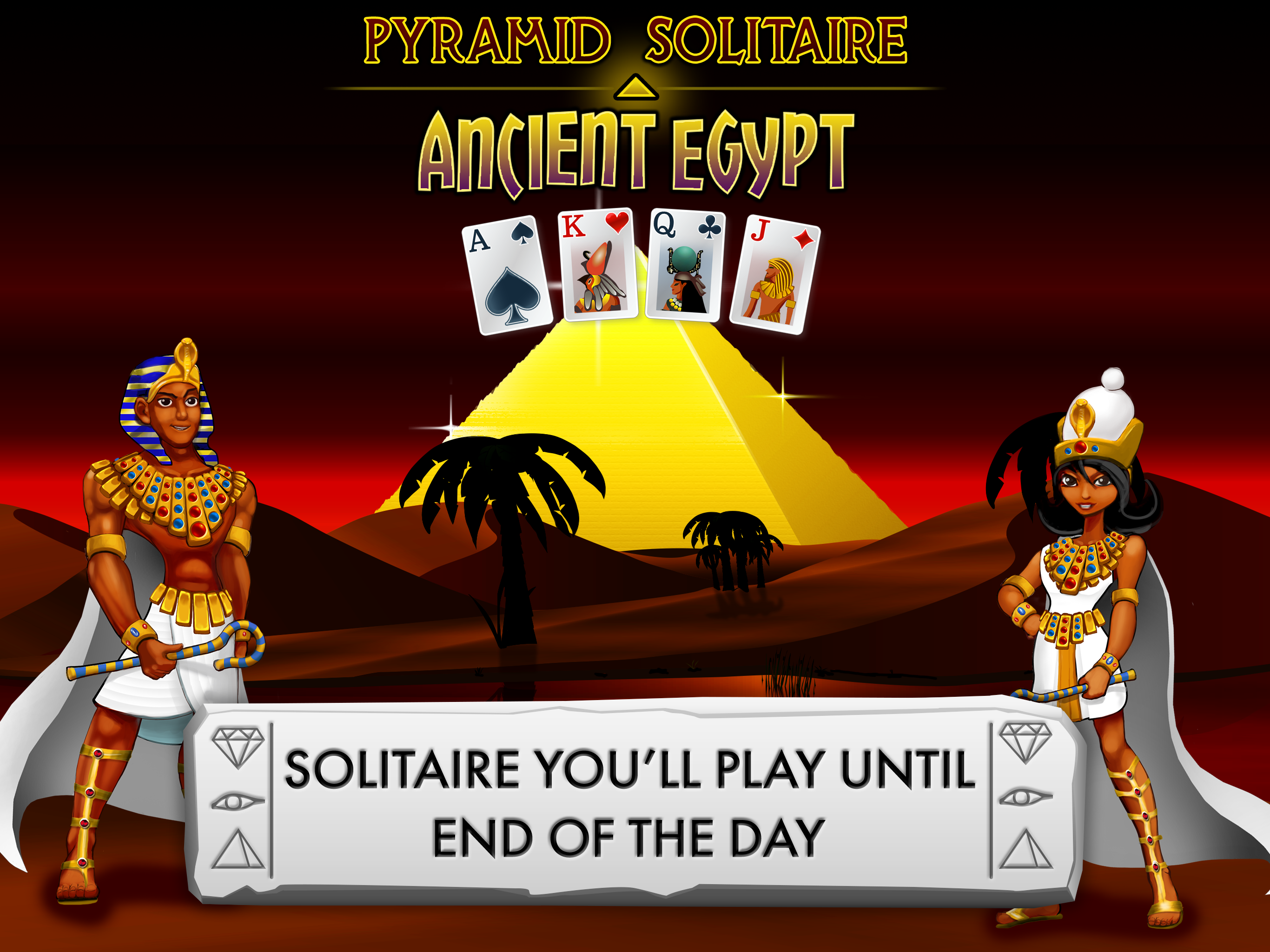
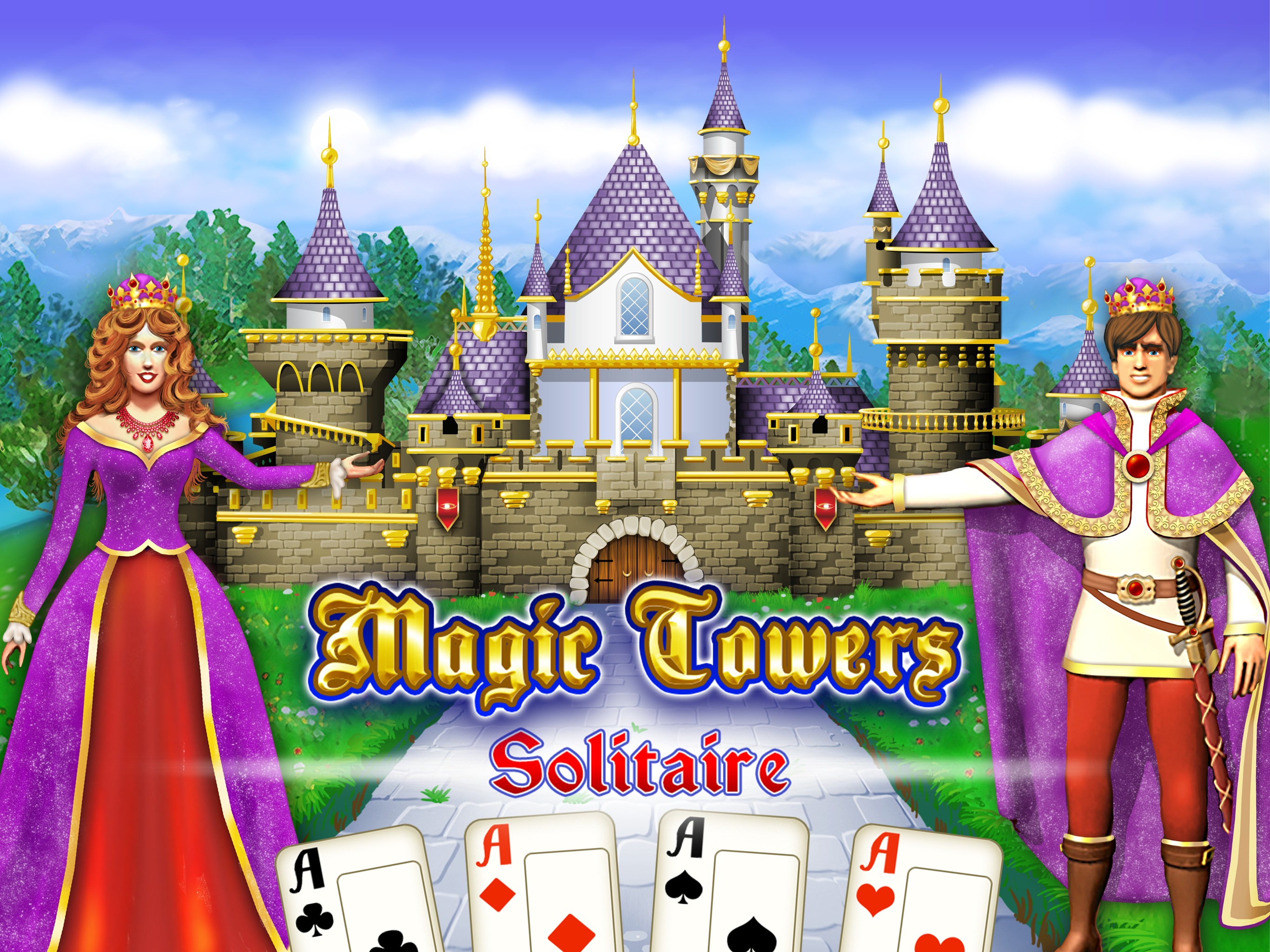
It’s time for a me to make another tenuous link to our games. Pyramid Solitaire (Ancient) Egypt, and Magic Towers Solitaire are my contributions. Naturally, being on mobile it’s a little different. For us it’s about the daily active users (DAU). If players are active, then they see adverts and that’s where we make our revenue. We have made lots of minor improvements to both games, but never really moved the games forward. Our DAU numbers have been declining over the years, less than half of their respective peaks but despite that there are still many loyal players which continue to make these games a massive part of our total revenue.

A few years ago, despite the numbers continuing to trace downwards, I turned down an offer to purchase these games outright from us. I saw a longer-term future for them, but we were working on so many different things we never had the time to turn our attention back to them. Recently, we’ve decided that what these fan favourites need is a proper overhaul and some effort and love poured back into them. When they were first released, they were absolutely some of the best solitaire games out there, with Apple featuring them on the app store. Even now, we know players still like them, but with so much choice out there they don’t stick around as much. More specifically, for an advertising supported game it’s about them coming back after they enjoy something different. That’s where we’ve stalled a little. Starting with Magic Towers Solitaire we’ve begun work to increase the variety and range within the game. For us, this is a major project, and it will be months before we’re able to release this update. The hope is that we’ll entice our fans back to play another round and gain new fans in the process. Once we release it, we’ll see what the players enjoy and try to repeat that for Pyramid Solitaire.

For me it’s been a great deal of fun writing this article, and through the light-hearted lens of these great franchises, there are connections that game creators of all sizes can benefit from in what they do.

Find Pyramid Solitaire – Ancient Egypt here!

Find Magic Towers Solitaire here!


March 3, 2021
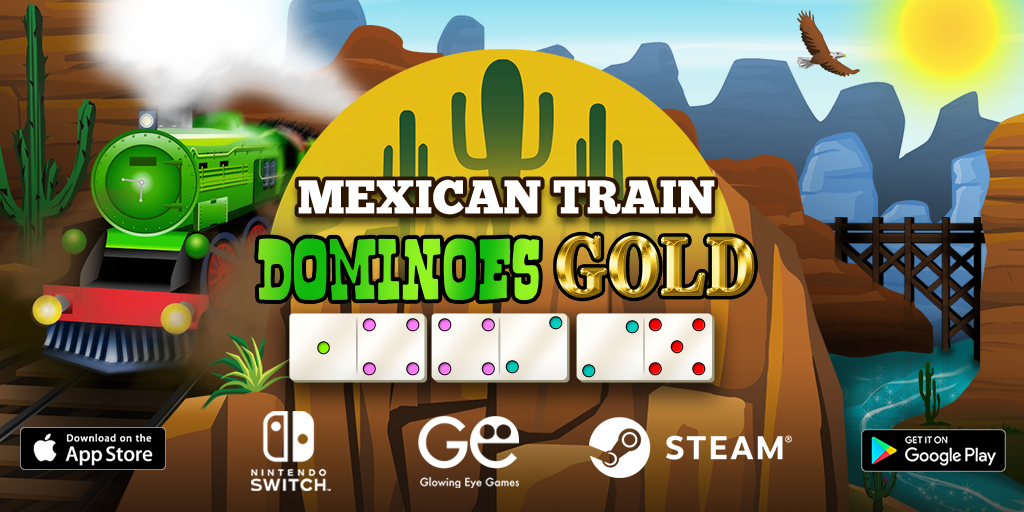
Mexican Train Dominoes Gold has Just Pulled into the Switch and Steam Station!


Announcing our first ever Nintendo Switch and PC game release: Mexican Train Dominoes Gold! It’s a deserving family favorite that we’re happy to launch into the world for your gaming pleasure.


Mexican Train Dominoes Gold has been available on Apple and Android devices for a while, and more recently on Mac. However, we noticed that while there are other domino games around, there is definitely a gap in the market for Mexican Train Dominoes and it is one that we are well equipped to fill. Only time will tell how successful this venture will be, but the team did a great job with both the Switch and Windows ports. I thought this would be a good time to share some of the differences between touch screen phone development and developing for the Nintendo Switch. All aboard for several train-based words and puns as I steam ahead with this post… sigh…


Firstly, the PC version works well. One finger, one-touch games are fairly easy to translate to both PC and Mac. The normal changes were made while making sure menus work better for the mouse interface. The biggest effort was always going to be making our engine work on the PC and within the Steam framework a difficult job, but necessary.


The Nintendo Switch on the other hand was much tougher! It’s a fantastic console (that I love dearly, it’s no train wreck like the Wii U), but because we couldn’t rely on the touchscreen, we had to completely rework the control mechanism to efficiently support the controller. We created a grid system to place the dominoes and hoped that would be it. Nope! Of course, the management of the dominoes needed a lot more conducting than that.


Mexican Train Dominoes strategy involves the player creating chains of dominoes that they can lay on their row. This meant we needed a good way for the player to manage the dominoes. We had to get creative. When players moved the dominoes around, the arrangement of all the other dominoes was affected. It took us a while to create our domino inventory system, so it was quick and easy to use! It now shunts along the other dominoes when the chain is interrupted, keeping the order even when the player makes changes.


We had other challenges making the Switch version compared to the phone versions. Saving the game state on the Switch slows the whole system down to the point where we were experiencing a drop in frame rate that caused the game to temporarily stall. I mean dominoes is an intense game but should still do better than just chug along! We had to rework the save and resume game system to better fit the console. Most players won’t even notice the difference, but it showed us that we had been a little bit spoiled in the way mobile phones work with their seamless usage of the SSD.


After all this work, navigating Nintendo’s developers’ pages to get the game into lotcheck and arrange the marketing pages was surprisingly difficult. I do have to say that the people in Nintendo themselves especially in Europe would fix small errors without setting us back and their replies got us back on track quickly. That being said, the lotcheck went through pretty smoothly and it’s a vast improvement from the last Nintendo system I worked on which was the GameCube.


Of course, I’m talking like I ran this project, but I’m just the guy writing about it. The hard work was done by the team. Jasmine, Gregg, Steph, and Katie all pulled together to make Mexican Train Dominoes Gold a thoroughly enjoyable experience for the players on whatever format they want to play it on.


If you fancy taking a look yourself, you can find direct links to all the versions here!


December 4, 2020
M1 Macs and the Future of Apple Gaming


In the last few weeks Apple have released their very first MacBook with their self-designed CPU. This is the start of them moving away from Intel chips inside their laptops and desktop computers. We want players to be able to enjoy our games on as many machines as possible, so we got a MacBook Air to try it out. We were delighted, our games play well. One of my personal favourites, Mexican Train Dominoes Classic, plays perfectly. The iPad compatibility is impressive. Apps work and some productivity applications don’t even betray their iPad roots. This machine absolutely deserves the glowing reviews it’s been getting!


As for the iPad compatibility, I’ve found it a great bonus. The iPad has ended up getting its own collection of productivity software and games which I can now use. Anything that can be played with a single touch is perfect. Not all games and apps have been made available by the developers, but there are many that have. Previous purchases can be restored and the experience once you’ve found the apps that you want is, in most cases, seamless.


Of course, after work this shiny new gadget begged to be played with! So, I installed a game that I love: BattleTech. It does have a few bugs, but I was amazed it ran at all! What astounded me was how good the graphics were on this entry level laptop. I’ve tried running AAA games on Apple laptops before, but they’ve never been worth effort. Even my perennial favourite game of Worms runs terribly on a machine without an additional graphics card. It was a jerky, awful experience, even with time spent changing to the lowest settings.


Now business trips away will be filled with gaming goodness! Real high-quality games running well at good resolutions. I did some studying and found that the built-in GPU of Apple’s M1 chip is as powerful, maybe slightly more so, than the 1070Ti NVidia GeForce graphics card. Now granted this graphics card was released a few years ago, but epic games can finally be enjoyed. That’s the first time that’s ever happened on a basic Mac!


Now I don’t see this necessarily changing the world, but for many people owning a good laptop that can play games has traditionally meant buying a Windows PC. There’s really been no choice for anyone who needs and can only afford a single portable machine that they want to play blockbuster games on. That’s changed now, and of course, Apple’s design is beautiful and their products are reliable. I never thought I would see the day when I could recommend a basic Mac (well, do spend the extra $250 to get the machine above the very lowest one) to anyone who wanted to a play Call of Duty sometimes! It looks like Apple have just expanded the number of players that game developers will be able to offer their work to on the Mac. It’s a subtle change, one that I can’t imagine will yield immediate results, but in the long run it makes their machine more viable for many more people. It might start nudging consumers towards Apple computers, and I wonder if it will increase Apple’s market share?


With the iPad compatibility and stunning speed of new MacBook Air I can imagine these machines selling exceptionally well. However, things only start changing for game developers if more Macs are sold and enough users of the new Macs start using their machines more often to play games. Many games aren’t ported over from their Windows PC originals, but I expect the balance to shift.


November 19, 2020
Solitaire is For Life, Not Just For Christmas


Sing it with me! ‘Tis the season for a themed game, fa-la-la-la’ – Too soon? Alright, I’ll stop, but for some gamers, holiday themes are what get them in a celebratory mood. From festive Christmas to bunny-bouncing Easter, there seems to be no end to the party with games transforming month after month to suit the season.


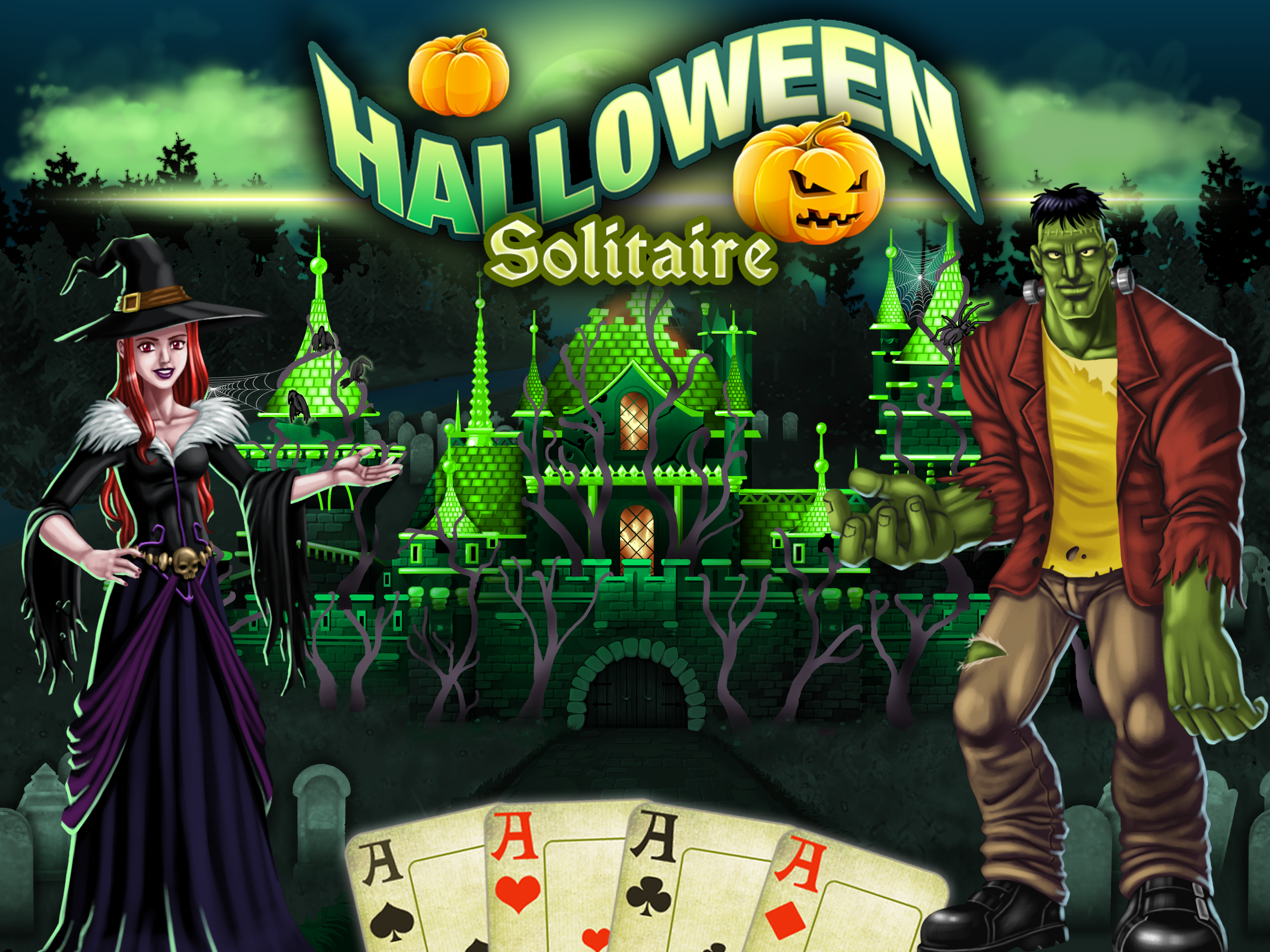
Glowing Eye Games knows its customers love a game to stay familiar and at its best, so we never adopt seasonal skins. We do, however, provide whole games devoted to specific holidays. For example, Halloween Solitaire is beloved by all those who fancy a horror themed card game to get their spines tingling. Christmas Solitaire Tripeaks also suits the cozier, more festive feel that we all love about Christmas.


We have had our share of experimentation. Our green-themed St Patrick’s Tripeaks Solitaire never did us any favors and no one seemed to be interested enough to get fully on board. What we found from that experience was that our customers are led by a need for atmosphere. A seasonal game is not just a selection of themed images, but it has a specific feel. Halloween Solitaire is so popular because it is drenched in gothic iconography, spooky sound effects, bespoke cards with beloved legendary figures and eerie animations. Similarly, the soft jingling of bells, snowy landscape and a welcoming, rosy-cheeked Santa Claus give a perfect sense of Christmas. They are also accessible. From grandparents to children, and everyone in-between, these games are for everyone.


Both our Halloween and Christmas solitaire games are just another element of a person’s life that they can integrate into their celebration. Bake some gingerbread, pour a festive tipple, decorate your home, stick on a festive film or play some Christmas tunes. What would top that off better than settling down to a winter wonderland you can hold in the palm of your hand?


Seasonal games slot into a certain time, but we’ve found they are actually played all year round. Maybe it’s the comfort of a familiar game, perhaps they appreciate the artistry, or maybe they like to, now and again, unlock the sensation of a time they feel most joyful. We don’t think there should ever be a time limit on that.


August 5, 2020
Review: Control

Okay, before we begin, let me give you a chance to get very angry. I have never seen X-Files (I was young, okay?) and the extent of my science fiction education came from intermittent episodes of Star Trek and Men in Black, not (and duck for flung debris) Star Wars. And I apologise. I just wasn’t there.


The gateway drug into the weird and warped was probably from Buffy the Vampire Slayer, with a large array of monsters, demons and otherworldly creepy-crawlies to frighten and unnerve. After that, a few doses of Doctor Who and dabbling in horror sent me happily over the edge into everything from Alien to Signs. It didn’t really matter what monstrous form reared its head at the end, as long as I was unsettled and unnerved throughout.


This is exactly where Control comes into play.


There’s a lot to love about Control and mostly I can only think of good things. The design, the gameplay, the world building – it all blends into a delectable paranormal enthused slushy fit for slurping. Just watch out for the brain freeze.


The premise is simple: Jesse Faden arrives at The Oldest House in search of her brother. Years of hunting have led her to this exact moment in this exact deserted foyer. She calls out and, as the player, you wonder who or what might respond. That feeling never goes away. Like Theseus tying his thread to the post and entering the labyrinth, you just feel compelled to descend ever further. Only thing is, you expect answers and a lot of the time, they just mean more questions. This is the kind of deep-dive immersion I love. It’s mind-boggling, frustrating and completely addictive. With no other game have I sat and spent the time to read the documents you pick up along the way, indulging in their SCP vibes. (Don’t know it? Look it up and prepare to get lost).


Control isn’t explicitly a horror game, but science fiction always has a habit of falling into horror tropes such as body horror. Fear is in the unknown, the future is unknown, and it’s totally plausible that knocking on that door to the future you’re going to invite in things you never expected – or necessarily wanted. Such in Control, that is The Hiss. A disembodied presence that mutates its targets into unthinking soldiers bent on killing you.


Usually, the brutalist structure of The Federal Bureau of Control is a simple stark grey monochrome with a red carpet. The more you play the game, the more you’ll find ‘red’ means ‘The Hiss’. When first witnessing its impacts on the space, it’s like seeing a parallel universe crunching its jaws over the brickwork and trying to take a bite out. What results from this are a series of flinching, overlapping cubes, encroaching into the mundane office space like geometric tumours.


Control plays with this architectural ‘glitching’, fusing humdrum elements of normal life, like boring toilet cubicles and desks littered with paperwork, and suspending them in the glowing white Astral Plane – an empty space filled only with black cubes and the office debris. That’s not the only thing that’s suspended though. You also have Hiss infected employees, chanting in mid-air. Some of them, you’ll never be able to save.


Control gives you the sense of déjà vu. Maybe it’s heavy 60s design, 70s equipment of slide projectors and pneumatic tubes, or Jesse’s very modern-day leather jacket. Maybe it’s the normality of the stark office space, the professional jargon, the complaints and reports you can sift through. Maybe it’s just the gentle disconcertion that nothing is as it seems. As quickly as the monsters appear, they vanish, and you’re left in an empty room as if nothing happened.


May 19, 2020
On The Importance of Brand Consistency

Don’t judge a book by its cover – or, perhaps, you should.


You can tell a lot from a business from its consistency of branding. It’s more than quality pictures, games and text, it’s about style and how that carries on through the company from the game itself to the artwork.

For us at Glowing Eye Games, we love attention to detail and we love the little things. They are those subtle little morsels you might not even notice – and that’s the best part. Most of the time, you’re not meant to notice each that playing card is tailored to the theme of the game or how the load screen images have their own take on our logo. It’s just part of the overall experience and allows the game to be seamlessly immersive. You’d definitely notice if the background wasn’t quite right or if the sounds were discordant to the images.

These delightful details are handmade at the point of the game’s origin. Halloween Tripeaks has Dracula as the King, the Witch as the Queen and Frankenstein’s Monster as the Jack, whereas Magic Towers has a regal King, majestic Queen and princely Jack. Our most popular card game, Pyramid Solitaire: Ancient Egypt is entirely Egyptian themed with appropriate cards, font and background. It’s all about building the scene and creating an atmosphere our customers want to spend time in. This level of detail reflects the consistency to our brand and within our company, as each game is completed to the highest level of quality.

But it’s not just about logos and artwork, it’s about our players and respecting their own individuality. You may have noticed by now some of our games are the same game, just in different coats. Let’s take Tri-Peaks solitaire for example. Halloween, Magic Towers, Christmas and classic are all versions of Tri-Peaks with the same principles and same gameplay, however the key difference is that they target different types of people. We want everyone to enjoy the game and we don’t want anyone to feel they have to conform, bear flashy themes they don’t want or experience the game in any other way than how they would want to play it. We respect those who love the simplicity of our classic version of Tri-Peaks solitaire, just as much as our customers who love Christmas and jump on the chance to have a festive theme. It’s lovely that people still play it during the summer months! Similarly the same goes for Halloween, with ghoulish backgrounds and spooky sounds, and Magic Towers, which is the most calming of the four with an animated sky of passing clouds and twittering birds. Whichever game our customers prefer, they can guarantee they’ll be getting the same attention to detail and consistency of brand, as they would with any of our other games.

The point here is this: customers love to be immersed and they can tell immediately if something is made with care. If you’re a game developer or even a marketer, remember to pay attention to the little things, because, after all, they make up the whole. If you look after those details, they can help make your game an overall success.


March 18, 2020
The Perks of Being Social


When you think of gamers, you often think of a bored commuter, tapping away to pass the time, or someone holed up in a room with a plate of snacks and a headset. But actually, gamers come in many guises and from many different places. How to reach all these people? Well, social media is the answer, but don’t expect a one size fits all. Let’s go through the advantages of different social media sites.


Facebook


Facebook is huge! It caters for a wide range of ages, so it’s a great way to communicate with your audience, both young and old. They can comment, review and message, which allows us to maintain friendly customer service in a social space. Whenever we have news on our game, updates or something to share, Facebook is a great way to get that information out there in a quick and accessible way. It’s really lovely to see an array of emojis, comments on reviews and to get personal messages on how our players love the game. We can also take on their feedback and fix glitches if ever they arise.


Twitter


Twitter hosts a different type of follower. Unlike Facebook, where most, if not all, of our followers are actual players, Twitter is more of a gamer centre of independent game developers, sound technicians, artists and animators. Twitter has more of a business like feel, and our posts of our games, which we use on Facebook, just weren’t right for the cliental on Twitter. Instead, we show our awareness and appreciation of the wider game industry by posting linked articles from popular game websites to keep us in the current mindset. It’s also a great way to stay in the know of trends and how our fellow game devs are going.


Instagram


Games are image and video heavy, so Instagram is a perfect place to pitch. A picture tells a thousand words in this case, and when you have a professional feed of consistent artwork and details, it gives your followers great insight into your style, professionalism and popularity. The viewer can choose just to admire the picture or read on in the description. Most of the time we explain how or why we chose such an image to post. Sometimes it’s an update on something we’re proud of or an error to show we’re all human in the game dev world. Most of all, it’s giving advice on how to promote yourself as a business and a games company in the right way. Everyone loves the little details and you don’t need to write an essay to get your point across. Plus, it’s just lovely to look at.


Pinterest


An interesting social site to take advantage of, and this is mostly tailored to our cliental of men and women over 50. Pinterest is a haven for family fun, craft ideas and aesthetic pinboards. It’s also a great place to showcase videos of how our games work, as they automatically play when the viewer is scrolling through their feed. Pinterest users are interested to learn new things or gain new ideas. Tutorial videos or taster videos allow these users to realise there are many forms of solitaire they can play. A useful link and a handy space to explain the video reels in potential players.


Imgur and Reddit


These are two social media sites we have yet to figure out and see if they are worth the time. What steers us from using them, after a few test-runs and trials, is their lack of market. There are definitely people who use it who would be interested in our games, but they are harder to reach. Both are casual and eclectic. In order for find your tribe, there’s a medley of images and trends to wade through and even then, it’s not clear cut enough for our posts to gain much traction at all. It might also be due to the sheer amount of content being posted daily. However, we never say never, we’re just in-tune to their rhythm yet, so maybe we will try again in the future.


Use each social media’s assets to your advantage.


  • Facebook has great customer service potential and communication. Send messages, make reviews, like and comment. These are all helpful ways your players can get in touch with you, tell you what’s working within the game and what’s not.
  • Twitter relies on hashtags so start to understand where your market is looking. #Screenshotsunday, #fridayfeeling and #mondaymorning all posted on the right days and times allow a little more traction to hit. If there’s a new game out or some games news, check the trending hashtags to find more likeminded followers. Avoid bots!
  • Instagram also relies on hashtags, so be as niche or as general as you like, depending on who you’re trying to find. However, be aware that your images must be bright, accessible and understandable. Make sure none are too dark to see what is going on, blurry or jarring. Followers often take a look at the entire account to see if you’re worth following and that you’re not going to clutter their feed with ugly and irrelevant photographs or images.
  • Pinterest loves videos. If you have a landscape or portrait orientation video, it doesn’t matter, Pinterest will happily put it out there. Most of the time, we get over 1K views. Make sure your videos are professional, clean and as slick as your game actually runs. Sometimes people won’t watch for more than 10 seconds, so you have your chance and you better run with it.


Using different social media accounts just goes to show the diversity of your players and also the game industry you are a part of. It may seem overwhelming at first, but get into a good rhythm and become consistent with your posts, and over time you’ll start to see followers rack up. There’s also so many handy sites and tricks that can teach you when, what and where to post. Good luck!


February 7, 2020
Credit Where Credit’s Due

Orient Express Dominoes Credits


Okay, okay, you may scroll past the credits in games and films (fair enough, they take forever!), but we all know they’re important and we’d miss them if they weren’t there. It’s truly amazing and humbling to see how many hands go into making something so enjoyable to play or watch, so it’s only right their name is there!


In the games industry, credits to the creators and support staff sadly seem to be a thorny issue. Some companies, such as Rockstar Games, have what I consider to be an unfair draconian policy. For example, if a creator leaves the company before the game they have been working on is shipped, they won’t be mentioned at all. That’s pretty severe and it happens even if they’ve been working for years on it! I wonder how many developers on Red Dead Redemption 2 suffered that fate?


Other companies are even more lax and let their staff fall through the net without a blink of an eye. Back in the day, I worked at Glu Games on mobile games, long before the smart phones and iPhones came out. The policy was quite haphazard, so much so we often weren’t credited at all. There were always excuses, including lack of memory on those very old phones and fear of co-workers being poached by other developers. I’m understanding to a certain point, but, like the title of this piece, I always believe credit is owed where it is due, no matter how small the contribution. I gave a cursory glance over at Glu Games recently, downloaded one of their games and was disappointed to find none of the developers were credited. If there’s something good to be taken from my experience, it helped me make the decision to never act in such a way to demoralise our team.


Here at Glowing Eye Games, we have a different problem and that’s only come over time. Our games have stayed popular and are regularly updated to this day. This means they’ve had loads of different contributors over the years. Some of the team are no longer here and people have moved on. While some are still prominently displayed in the credits, others have been removed after a very long time has passed. There’s no solid policy at the moment on this, but I’m keen to create one that’s fair. Fair for me is noting that someone contributed in the past, and that current team members who are working on those games are prominently displayed. So, in the future, we’ll be adding a new credit title: – Previous Contributors. Right now, I don’t think we’ll list what their job was, but I want to make it known to them that their efforts were valued and remembered. Sometimes, it’s just the little things that can make someone’s day.


123
Archives
  • November 2024
  • July 2024
  • May 2024
  • January 2024
  • October 2023
  • June 2023
  • March 2023
  • December 2022
  • November 2022
  • September 2022
  • August 2022
  • July 2022
  • June 2022
  • May 2022
  • April 2022
  • March 2022
  • March 2021
  • December 2020
  • November 2020
  • August 2020
  • May 2020
  • March 2020
  • February 2020
  • December 2019
  • November 2019
  • September 2019
  • August 2019
  • July 2019
  • May 2019
  • April 2019
  • October 2018
  • April 2018
  • March 2017
  • July 2016
Recent Posts
  • Mastering Solitaire Freecell: Hints, Tips and Strategy November 8, 2024
  • Introducing Solitaire Freecell July 10, 2024
  • Our Flash Games From the Past May 24, 2024
Tags
advice art card game card games Christmas christmas game Christmas spirit cozy cozy feeling Dracula eerie festive fun read game game dev game developer game dev tips games glowing eye games Halloween horror game how to independent game indie indie business indie dev indiedev indie developer indie game indie game dev mexican train dominoes mobile games pyramid solitaire ancient egypt Pyramid Solitaire Mummy's Curse seasonal solitaire solitaire trivia sound advice spooky spooky game spooky season video game warm witches xmas

Recent Posts
  • Mastering Solitaire Freecell: Hints, Tips and Strategy November 8, 2024
  • Introducing Solitaire Freecell July 10, 2024
  • Our Flash Games From the Past May 24, 2024
Get News & Updates
* indicates required
All data is held in accordance with GDPR.
Please see our Privacy Policy for more details.
Download Our Games
Please check out the app store to download all of our games for free.


© Glowing Eye Games. All Rights Reserved.
  • Glowing Eye Games
  • Game Speciality
  • Footer